
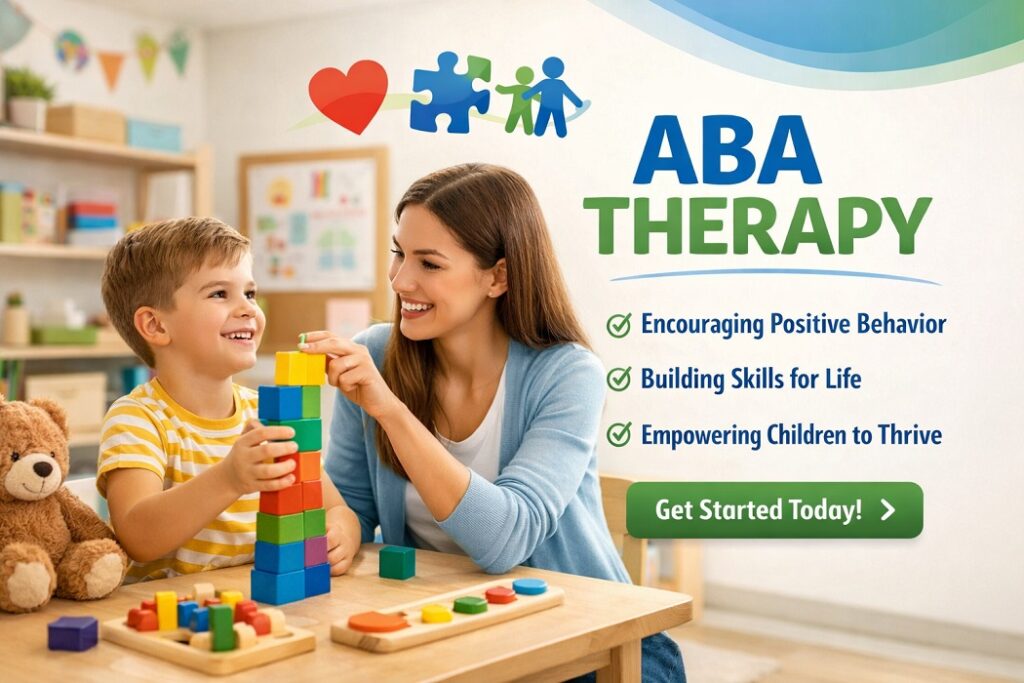
Parents navigating the world of therapies for their children often seek proven methods that deliver real results. ABA Therapy stands out as one of the most researched and effective interventions, particularly for children on the autism spectrum. By breaking down complex skills into manageable steps, ABA Therapy empowers kids to build essential abilities that last a lifetime.
What Is ABA Therapy?
Applied Behavior Analysis forms the backbone of this approach, focusing on understanding how behaviors work and how environments influence them. Therapists observe a child’s actions, identify patterns, and use positive reinforcement to encourage desirable changes. Sessions can happen in clinics, homes, or schools, tailored to the child’s unique needs and strengths.
This method draws from decades of research showing its impact on development. Parents appreciate its structured yet flexible nature, allowing progress at the child’s pace. Early intervention often yields the most dramatic gains, helping kids catch up in key areas.
Benefit 1: Boosts Communication Skills
One of the standout advantages lies in transforming how children express themselves. Many kids start with limited verbal skills, relying on gestures or frustration. ABA Therapy teaches them to use words, signs, or picture exchanges to request needs, share feelings, or greet others.
Therapists model simple phrases during play, rewarding attempts with praise or preferred items. Over time, conversations flow more naturally, reducing misunderstandings. Families report fewer meltdowns as kids learn to ask instead of demand, fostering smoother daily interactions.
Picture a child who once screamed for a snack now saying “juice please”—that shift opens doors to independence and connection.
Benefit 2: Enhances Social Interactions
Social challenges can isolate children, but ABA Therapy bridges that gap effectively. It teaches turn-taking, eye contact, and sharing through fun, guided games like rolling a ball back and forth. Reinforcers like high-fives make practice enjoyable, building confidence.
Kids learn to recognize emotions in others’ faces, responding with empathy or appropriate play. Group sessions mimic real-world scenarios, such as playground rules or birthday parties. Parents notice their child initiating friendships, joining family gatherings without overwhelm.
These skills generalize beyond therapy, easing transitions to school and community life.
Benefit 3: Reduces Challenging Behaviors
Disruptive actions like tantrums or aggression often stem from unmet needs or sensory overload. ABA Therapy acts like detective work, pinpointing triggers through data collection. Instead of punishment, it replaces problem behaviors with functional alternatives.
For instance, if a child hits to escape a task, therapists teach “break please” and grant short rests. Positive reinforcement strengthens the new response, fading unwanted habits. Consistency across home and therapy ensures lasting change, creating calmer environments.
The keyword ABA Therapy proves transformative here, with families enjoying predictable routines and less stress.
Benefit 4: Builds Daily Living Skills
Independence starts with mastering self-care. ABA Therapy breaks tasks like dressing or toothbrushing into tiny steps: pick shirt, push arms through sleeves, button up. Visual prompts and hand-over-hand guidance help, with rewards celebrating each success.
Children gain confidence handling meals, toileting, or tidying toys. These adaptive skills reduce parental burden and promote autonomy. As proficiency grows, kids tackle chores, preparing for school or future living.
Long-term, this foundation supports employment and household contributions.
Benefit 5: Improves Focus and Academics
Attention spans lengthen as therapists use engaging activities to build concentration. Matching colors, sorting shapes, or following multi-step directions lay cognitive groundwork. ABA Therapy adapts to the child’s level, using timers or tokens to sustain engagement.
Academic readiness follows: letter recognition, counting, or pre-writing grips emerge naturally. Visual schedules combat transitions, minimizing resistance. Teachers later praise the preparedness these kids bring to class. Parents see homework battles turn into productive sessions.
Benefit 6: Fosters Emotional Regulation
Understanding feelings prevents escalations. ABA Therapy introduces emotion cards—happy, sad, angry—and coping tools like deep breaths or squeeze toys. Role-playing scenarios teaches calm responses to frustration.
Kids label their states, requesting space or hugs appropriately. This self-awareness spills into peer play and family dynamics. Over time, meltdowns shorten, replaced by problem-solving. The result? A more resilient child navigating life’s ups and downs.
Benefit 7: Empowers Families
Therapy doesn’t end at sessions; parent training equips caregivers with strategies. Learn prompting techniques, data tracking, or reinforcement plans to use daily. This collaboration strengthens bonds, as everyone speaks the same “language” of progress.
Siblings benefit from modeled patience, reducing resentment. Family outings become feasible without dread. Stress eases, harmony returns—proving ABA Therapy’s ripple effect.
Starting ABA Therapy: Practical Steps
Consult a Board Certified Behavior Analyst for assessment. They craft an individualized plan with measurable goals, like 80% task completion. Sessions vary: 10-40 hours weekly, often insurance-covered.
Track progress via graphs showing skill acquisition. Adjust as milestones hit, celebrating wins. Consistency and positivity drive results. Home practice reinforces gains—turn bath time into a chaining lesson.
Real-Life Success Stories
Consider young Alex, nonverbal at diagnosis. After months, he chatted about dinosaurs, joined preschool playgroups. His mom shared, ABA Therapy unlocked his world. Or Mia, prone to self-injury from overload. Now, she taps a break card, soothing herself. Family vacations thrive without incidents.
These tales highlight the method’s power across ages and severities.
Long-Term Impact
Gains endure: improved IQ scores, employment rates, independent living. Early starters often blend into mainstream settings. ABA Therapy evolves with needs, from toddler years to teen transitions. Society benefits too—self-sufficient adults contribute meaningfully. Invest now for a brighter trajectory.
ABA Therapy delivers profound, evidence-backed advantages. From communication breakthroughs to family peace, its structured compassion reshapes lives. Parents, embrace this path; the surprises await in your child’s smile.